What AI Coding Tooling Changes For Teams Shipping With Coding Agents
A practical look at how AI coding agents change workflows, quality bars, and expectations for engineering teams—and what to do when a core model quietly gets worse.
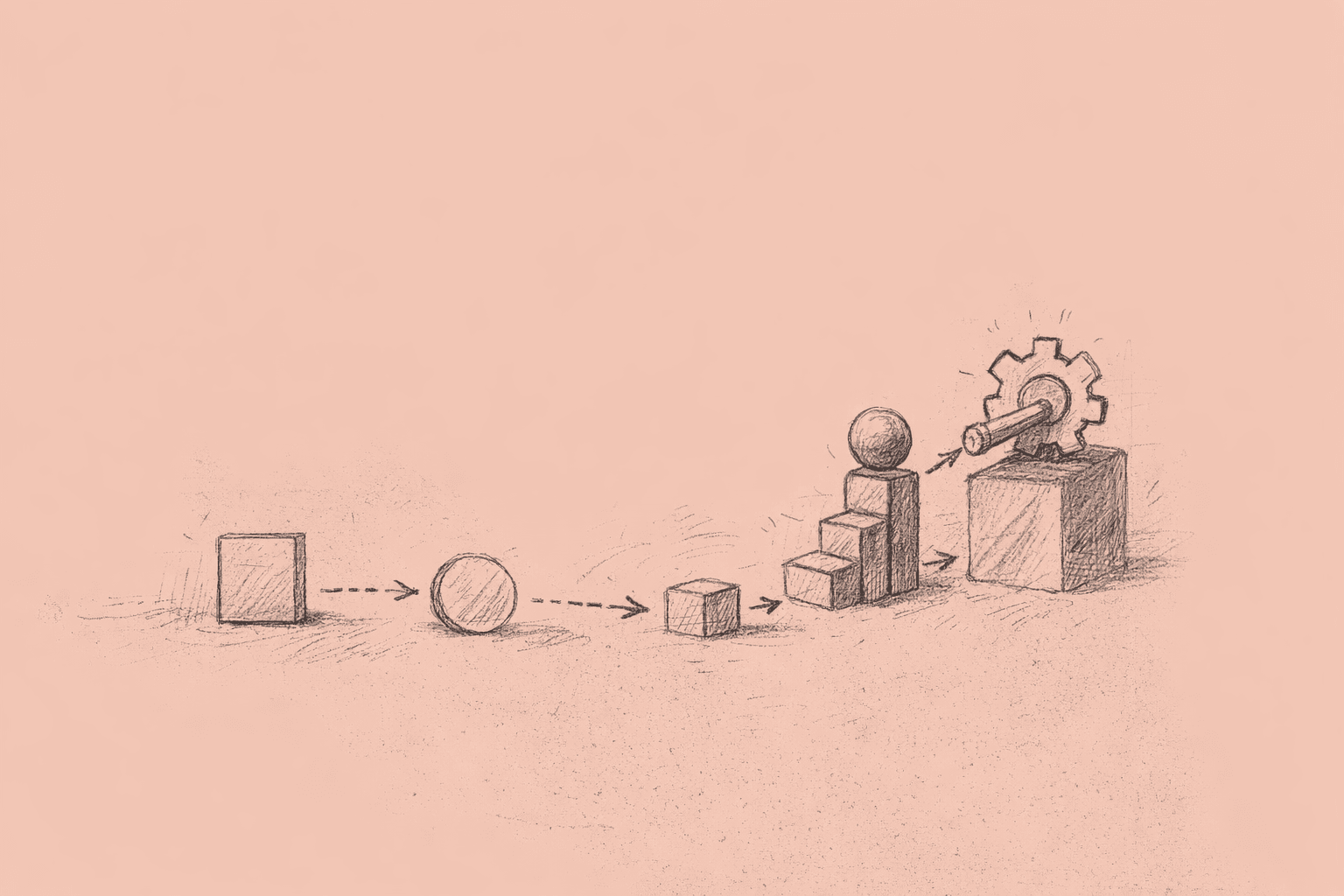
When you ship products that depend on coding agents, your core dependency is the model and the surrounding tooling, not just a language or framework. Those pieces change without your consent.
If a model quietly regresses, you see it as slower iterations, off-target diffs, or subtle logic errors. The complaint “it’s definitely worse now” is a sign that the engineering system lacks guardrails.
This article focuses on how to operate when coding agents sit in your delivery path and model behavior shifts under you.
From helper to production dependency
Most teams start with AI coding tools as personal helpers for boilerplate, small refactors, or quick tests. A bad day means a developer retries or hand-edits.
Once agents open pull requests, run multi-step refactors, or touch infrastructure definitions, model behavior becomes part of your production surface. A regression now resembles a silent library upgrade that changed semantics.
At that point you need practices around model behavior, not just preferences about which model “feels better.”
Where regressions hurt
Teams feel degradation in three places:
- Interaction quality: more back-and-forth to get a usable patch, hallucinated APIs, weaker adherence to local patterns. If interaction cost rises, engineers route around the tool and workflows decay.
- Code correctness and safety: edge-case bugs, incorrect async handling, weaker validation. If agents can propose or merge code, this becomes a risk issue.
- Workflow reliability: inconsistent tool calls, ignored constraints, skipped plan steps. A generally capable but less predictable model can break orchestration that used to work.
Treat the model as a versioned dependency
Handle models the way you treat critical libraries, even if the provider does not publish clear release notes.
- Pin identifiers: avoid “default” or “latest” aliases in production. Configure explicit model names per agent.
- Record metadata: include model identifier and date in PR descriptions or commits opened by agents. This keeps a trail when debugging.
- Change-manage upgrades: test in staging, run a small eval suite, roll out gradually. Treat model switches like dependency upgrades.
- Keep a rollback path: hold configuration that can revert to the previous model if it is still offered. Assume availability may disappear and plan alternatives.
Build a lightweight evaluation harness
Feel-based feedback is not enough, but you likely do not need a full research stack. Aim for a compact harness that you can run when models shift.
Golden tasks from your codebase
Curate dozens of tasks that mirror real work:
- “Add a REST endpoint with auth and validation in service X.”
- “Refactor this class into two components with these responsibilities.”
- “Write tests for this function covering these edge cases.”
Store the instructions, relevant files, and acceptance criteria or reference solutions. Score candidates on pass/fail, iterations needed, and human fix-up time.
Safety and policy tripwires
Define a small set of “never do this” checks:
- direct SQL string concatenation with user input
- bypassing auth middleware
- skipping error handling on critical paths
You are not aiming for coverage, only for fast detection of obvious regressions.
Orchestration reliability drills
If you run multi-step agents, script scenarios such as a multi-file refactor or a search → edit → test → summarize flow. Assert that steps run in order, tools receive valid arguments, and constraints like max changed lines are honored. Log inspection plus a few assertions is enough.
Adjust workflows when models slip
Switching models is one lever; changing how you use them is another.
- Narrow scope: limit agents to certain services or directories, cap diff size, and block sensitive file types (like migrations) unless explicitly enabled.
- Add checkpoints: require human approval for agent PRs, use PR templates that highlight common failure modes, and route security or infra changes through a separate path.
- Tighten prompts and context: restate constraints, include a short “project contract” of patterns and anti-patterns, and trim noisy context. Some regressions are sensitivity to structure rather than pure capability loss.
Tradeoffs to manage
- Speed vs. reliability: larger automated diffs move faster but raise the blast radius of a mistake.
- Vendor leverage vs. stability: the newest model may unlock capabilities while increasing exposure to unannounced behavior changes.
- Eval depth vs. upkeep: richer suites catch more issues but need maintenance as your codebase evolves.
There are also hard limits: you cannot fully observe how a hosted model changes, providers may retire versions without notice, and rollback options can vanish. Design your process expecting partial control.
When performance drops this week
If your team is saying the agent feels worse:
- Freeze production workflows to pinned model identifiers.
- Run your golden-task and safety drills against the suspected regression and one alternate model.
- Add temporary human approval to agent-created PRs and cap diff size.
- Capture model metadata in every agent PR while you test alternatives.
- Plan a controlled switch or prompt adjustment based on those results, then remove the temporary gates once stability returns.
Want to learn more about Cursor?
We offer enterprise training and workshops to help your team become more productive with AI-assisted development.
Contact Us